
Engaging Introduction
Let me tell you about the vegetable that made me stop fearing carbs.
For years, I avoided sweet potatoes. Not because I didn’t like them—I loved them. But I was caught up in the low-carb craze, convinced that any vegetable that tasted sweet must be “fattening.” I chose broccoli. I chose spinach. I let the sweet potatoes sit in the produce aisle, untouched and unappreciated.
Then I went to a nutritionist for help with fatigue and stubborn weight gain. She asked about my diet. I told her proudly that I ate mostly protein and leafy greens. She nodded, then asked, “What about sweet potatoes?”
I admitted I avoided them.
She sighed. “You’re missing one of the most nutrient-dense foods on the planet. And you’re tired because your body needs carbs—the right carbs.”
I added sweet potatoes back into my life. Two or three times a week. Roasted. Mashed. Sometimes just baked with a little butter and cinnamon. My energy stabilized. My digestion improved. My skin looked brighter. And I didn’t gain weight. I actually felt better.
Sweet potatoes aren’t just delicious—they’re one of the most nutrient-dense foods you can eat. Doctors and nutritionists consistently rank them among the top vegetables for overall health, thanks to their vibrant color, impressive fiber content, and unique blend of vitamins. But like any food, the health impact depends on how and how much you eat them.
Here’s what medical experts want you to know about adding this vibrant root vegetable to your plate.
Why Doctors Love Sweet Potatoes (The Science)
Let me start with what makes sweet potatoes nutritionally extraordinary.
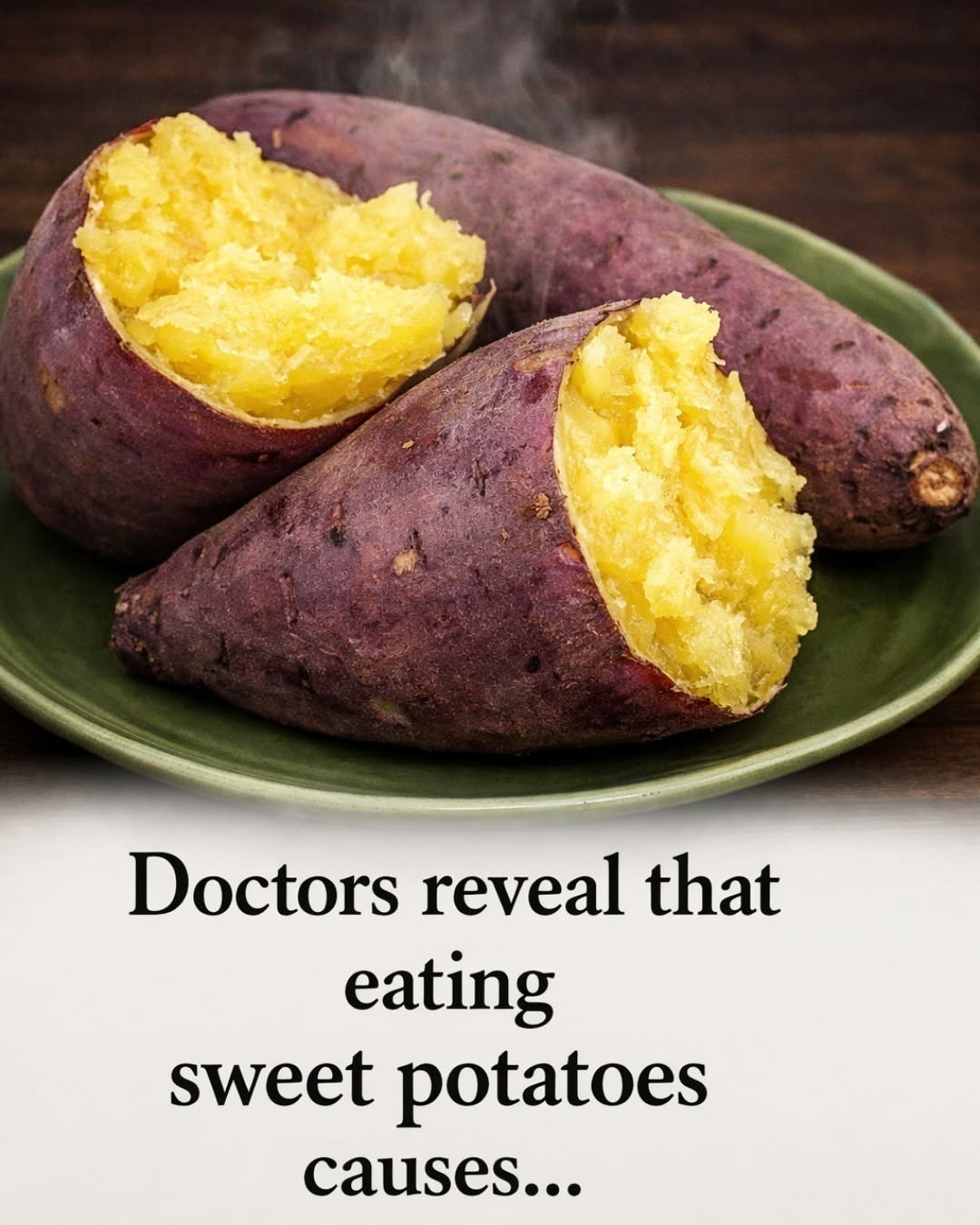
One medium baked sweet potato (with skin) provides:
Vitamin A: Over 400% of your Daily Value (DV) – in the form of beta-carotene
Vitamin C: About 25% DV
Manganese: About 25% DV
Fiber: About 15% DV (4 grams)
Potassium: About 12% DV
Vitamin B6: About 12% DV
Antioxidants: Including anthocyanins (in purple varieties) and beta-carotene
And only about 100-120 calories.
This is not an empty starch. This is a nutrient delivery system.
The Top Health Benefits (Evidence-Based)
Let me walk you through what the research actually shows.
1. Blood Sugar Support (Yes, Really)
This surprises people. Sweet potatoes are “sweet,” so they must spike blood sugar, right?
Not necessarily.
The science: The fiber in sweet potatoes slows sugar absorption. Additionally, certain compounds in sweet potatoes (specifically the white-skinned variety) have been shown to improve insulin sensitivity.
The catch: Cooking method matters enormously.
Cooking Method Glycemic Impact Best For
Boiled Lowest (GI ~44) Blood sugar control
Roasted or baked Moderate-Higher (GI ~70) Flavor (but eat with protein)
Fried Highest Occasional treat only
The bottom line: Boiled sweet potatoes are blood-sugar-friendly. Baked sweet potatoes are fine if paired with protein and eaten in moderation.
2. Immune System Support
Your immune system needs vitamin A to function. Sweet potatoes deliver it in abundance.
The science: Beta-carotene (which gives sweet potatoes their orange color) is converted into vitamin A in your body. Vitamin A is essential for the health of your mucous membranes (your first line of defense against pathogens) and for the production of white blood cells.
The bonus: Sweet potatoes also contain vitamin C, which supports immune function and may reduce the severity of colds.
3. Gut Health and Digestion
The fiber in sweet potatoes feeds your beneficial gut bacteria.
The science: Sweet potatoes contain both soluble and insoluble fiber. Soluble fiber forms a gel in your digestive tract, slowing digestion and promoting satiety. Insoluble fiber adds bulk to stool and prevents constipation.
The bonus: The resistant starch in cooled sweet potatoes (eat them cold in a salad) acts as a prebiotic, feeding your good gut bacteria.
4. Vision and Eye Health
The beta-carotene that makes sweet potatoes orange is also essential for your eyes.
The science: Your body converts beta-carotene into retinol (vitamin A), which is necessary for the function of your retina. Vitamin A deficiency can lead to night blindness and, in severe cases, corneal damage.
The bonus: Sweet potatoes also contain lutein and zeaxanthin (especially in orange and purple varieties), which protect against age-related macular degeneration.
5. Heart Health
The potassium, fiber, and antioxidants in sweet potatoes all support cardiovascular health.
The science: Potassium helps lower blood pressure by counteracting sodium. Fiber lowers LDL (“bad”) cholesterol. Antioxidants reduce inflammation, a driver of heart disease.
The numbers: One study found that people who ate sweet potatoes regularly had lower rates of heart disease than those who didn’t.
6. Weight Management (When Prepared Correctly)
Sweet potatoes are satiating. They keep you full.
The science: The combination of fiber, water, and complex carbohydrates creates genuine satiety. A medium baked sweet potato with skin (no added sugar) will keep you full for hours.
NEXT PAGE
ADVERTISEMENT
