
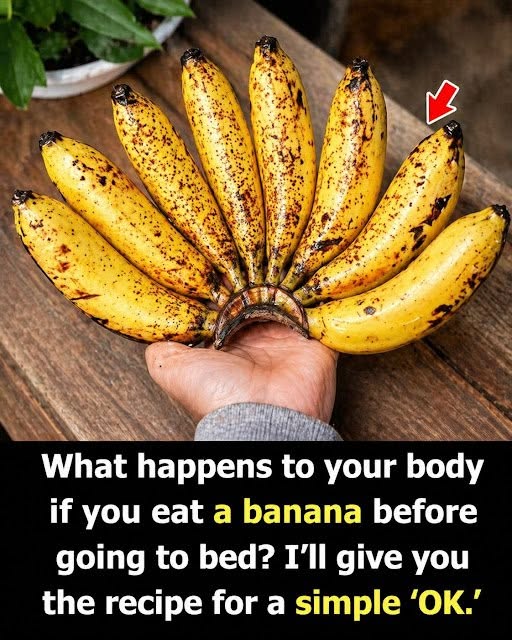
Eating Bananas Before Bed: A Smart Habit or a Hidden Sleep Disruptor?
After a long day, many people find themselves standing in the kitchen looking for a quick, healthy snack before bed. Among the most popular choices is the humble banana. It’s nutritious, portable, naturally sweet, and often considered one of the healthiest fruits available.
But have you ever wondered whether eating a banana right before bedtime is actually good for your sleep?
Some people swear by their nightly banana, claiming it helps them relax and sleep better. Others report waking up feeling bloated, restless, or surprisingly energized. So what’s really going on?
The truth is more complicated than many health headlines suggest. Bananas contain several nutrients that may support healthy sleep, but they also contain natural sugars that can affect people differently.
Let’s explore what science says about eating bananas before bed, the potential benefits and drawbacks, and whether this popular nighttime snack deserves a place in your evening routine.
Why Bananas Are Considered a Healthy Snack
Bananas have earned their reputation as a nutritional powerhouse.
A medium-sized banana contains:
Approximately 100–120 calories
Natural carbohydrates
Dietary fiber
Potassium
Magnesium
Vitamin B6
Vitamin C
Small amounts of protein
Unlike heavily processed snacks, bananas contain no added sugar, artificial ingredients, or preservatives.
They provide a combination of quick energy and valuable nutrients that support overall health.
Because they are easy to digest and widely available, bananas are often recommended as a healthy alternative to cookies, chips, or sugary desserts.
What Happens in Your Body at Night?
To understand whether bananas are a good bedtime snack, it helps to understand what your body is doing while you sleep.
As evening approaches, your body begins preparing for rest.
Several important changes occur:
Body temperature gradually decreases
Metabolism slows slightly
Melatonin production increases
Digestive activity becomes less active
Heart rate slows
Your body’s goal is to shift from daytime activity to nighttime recovery and repair.
Foods consumed shortly before bed can either support this process or interfere with it.
The effects often depend on the type of food, portion size, and individual metabolism.
The Sleep-Friendly Nutrients Found in Bananas
One reason bananas are frequently associated with better sleep is their impressive nutrient profile.
Magnesium
Magnesium plays an important role in muscle relaxation and nervous system function.
Research suggests that adequate magnesium levels may help:
Promote relaxation
Reduce muscle tension
Support healthy sleep patterns
Improve sleep quality in some individuals
Many people do not consume enough magnesium through their daily diet, making magnesium-rich foods particularly valuable.
Potassium
Potassium helps regulate:
Muscle contractions
Fluid balance
Nerve signals
Low potassium levels may contribute to muscle cramps or discomfort that can disrupt sleep.
The potassium found in bananas may help support overnight muscle function and recovery.
Vitamin B6
Vitamin B6 assists the body in producing neurotransmitters involved in mood regulation and sleep.
It also helps convert tryptophan into serotonin, which plays a role in sleep regulation.
Tryptophan
Perhaps the most famous sleep-related nutrient in bananas is tryptophan.
Tryptophan is an amino acid involved in producing:
Serotonin
Melatonin
Serotonin influences mood and relaxation, while melatonin helps regulate the body’s sleep-wake cycle.
This connection is one reason bananas are often included on lists of foods believed to promote sleep.
The Sugar Question
While bananas contain beneficial nutrients, they also contain natural sugars.
A medium banana typically contains around 12 to 15 grams of sugar.
These sugars include:
Glucose
Fructose
Sucrose
Unlike added sugars found in candy and soft drinks, natural sugars come packaged with fiber, vitamins, and minerals.
However, they still affect blood sugar levels.
Could Sugar Affect Sleep?
For some individuals, eating sugary foods before bed may:
Increase alertness
Cause temporary energy boosts
Trigger fluctuations in blood sugar
Contribute to nighttime awakenings
The effect varies widely from person to person.
Many healthy individuals experience no noticeable disruption.
Others, particularly those sensitive to blood sugar changes, may notice sleep disturbances after eating sweet foods late at night.
Can Bananas Cause Bloating?
Some people report feeling bloated after eating bananas before bed.
Several factors may explain this.
Fiber Content
Bananas contain dietary fiber that supports healthy digestion.
While fiber is beneficial, eating large amounts close to bedtime may occasionally cause:
Gas
Fullness
Mild digestive discomfort
Ripeness Matters
The ripeness of a banana can influence how easily it is digested.
Green Bananas
Less ripe bananas contain more resistant starch.
Resistant starch can be beneficial for gut health but may also contribute to bloating in sensitive individuals.
Ripe Bananas
Fully ripe bananas contain more simple sugars and are generally easier to digest.
If you choose a bedtime banana, a ripe banana may be less likely to cause digestive discomfort.
Who Might Benefit from Eating a Banana Before Bed?
For many people, bananas can be an excellent nighttime snack.
Athletes
Athletes often require additional nutrients and carbohydrates to support recovery.
The potassium and magnesium in bananas may help replenish nutrients lost through exercise.
People Who Go to Bed Hungry
Going to sleep hungry can make it difficult to fall asleep.
A banana provides a light source of energy without the heaviness of a large meal.
Individuals Seeking Healthier Snacks
Replacing processed desserts with fruit may improve overall dietary quality.
A banana is generally a healthier choice than:
Cookies
Ice cream
Candy
Pastries
Those Needing Additional Potassium
People whose diets are low in potassium may benefit from incorporating potassium-rich foods into their evening routine.
Who Might Want to Avoid Bananas Before Bed?
Although bananas are healthy, they are not ideal for everyone.
NEXT PAGE
ADVERTISEMENT
