
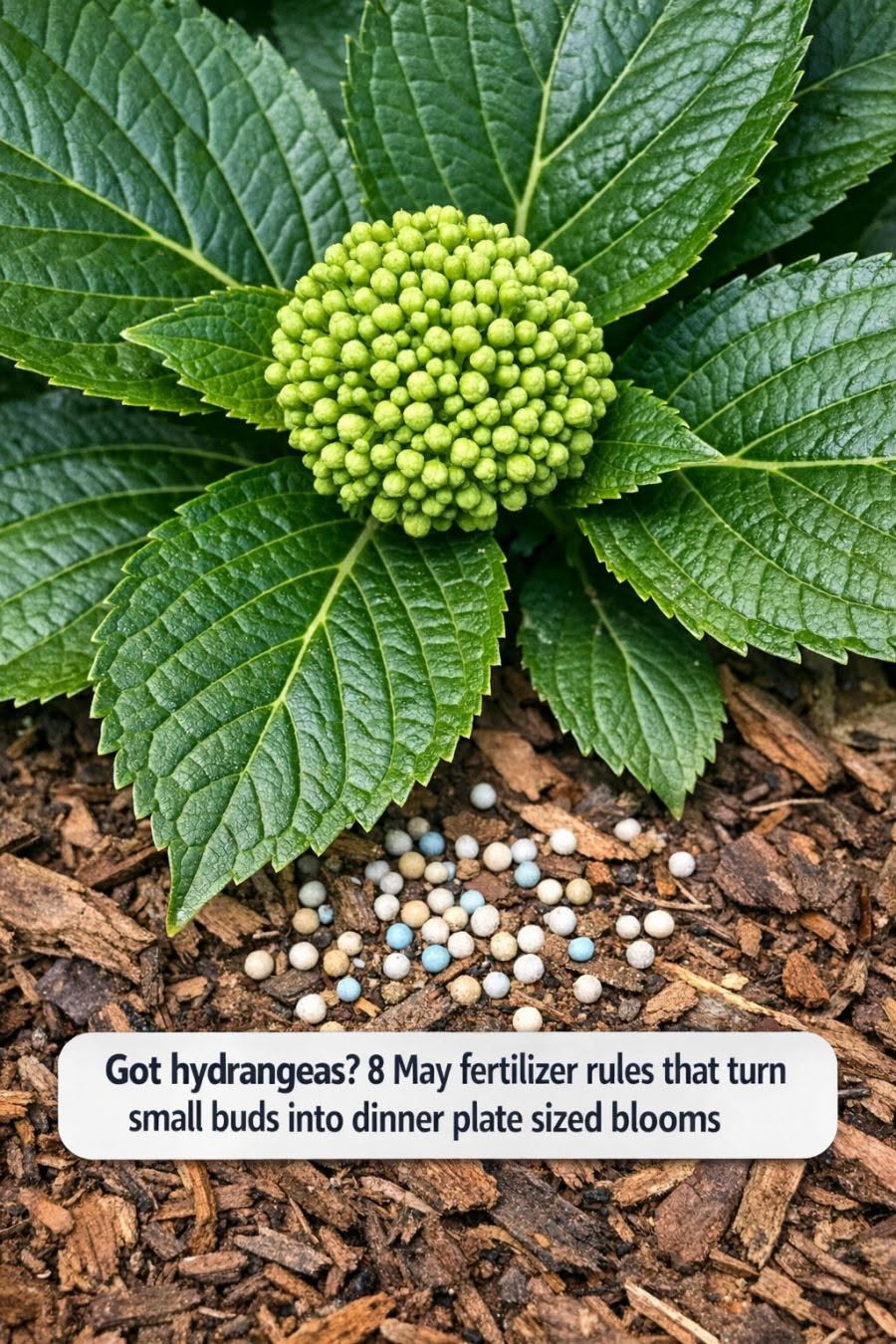
Hydrangeas are a beloved staple in many gardens, celebrated for their voluminous and vibrant blooms. These flowering shrubs can transform any outdoor space with their lush, colorful clusters that range from white to pink, blue, and even purple. But achieving those coveted dinner plate-sized blooms requires more than just planting and watering—strategic fertilization is key.
May marks a crucial period for gardeners aiming to maximize their hydrangea blooms. With the right fertilizer regimen, small buds can be transformed into show-stopping floral displays. This guide will walk you through eight essential fertilizer rules to ensure your hydrangeas reach their full blooming potential.
1. Start With A Soil Test Before You Sprinkle Anything
Before adding any fertilizer, it’s essential to understand the current nutrient levels and pH of your soil. A soil test will reveal the specific needs of your hydrangeas, ensuring you don’t over-fertilize or under-fertilize. Over-fertilizing can lead to excessive foliage growth at the expense of flowers, while under-fertilizing can result in weak, underdeveloped blooms.
To conduct a soil test, use a home testing kit or send a soil sample to a local extension service. Aim for a pH level of 5.5 to 6.5 for blue hydrangeas and slightly higher for pink ones. Adjust the soil pH accordingly by adding lime to raise the pH or sulfur to lower it.
2. Time It Right: Why Early–To–Mid May Is Prime Hydrangea Feeding Season
Timing is crucial when it comes to fertilizing hydrangeas. Early to mid-May is the optimal time to feed your plants, as this aligns with their active growth phase. During this period, hydrangeas are developing their buds, and providing the necessary nutrients will help ensure robust and healthy blooms.
Applying fertilizer too early can lead to nutrient runoff, while applying it too late might miss the critical growth window. By targeting the early to mid-May timeframe, you give your hydrangeas the best chance to absorb nutrients efficiently and maximize bloom development.
3. Pick The Perfect Fertilizer Formula For Massive Blooms
Choosing the right fertilizer is essential for encouraging large, vibrant blooms. For hydrangeas, a balanced, slow-release formula with an N-P-K ratio of around 10-10-10 or 12-4-8 is ideal. These ratios provide an ample supply of nitrogen, phosphorus, and potassium, which are critical for flower development and overall plant health.
Phosphorus is especially important for flowering, so ensure your fertilizer includes adequate amounts. Liquid fertilizers can also be used for a quick nutrient boost, but be cautious with application to avoid overfeeding.
4. Feed The Roots, Not The Leaves: How To Apply Granules Correctly
When applying granular fertilizer, it’s important to focus on the root zone rather than the foliage. Spread the granules evenly around the base of the plant, approximately 6 to 18 inches away from the main stem to avoid direct contact with the roots.
Water the fertilizer in thoroughly to help it dissolve and reach the root system. This not only ensures efficient nutrient uptake but also minimizes the risk of fertilizer burn on the leaves.
NEXT PAGE
ADVERTISEMENT
