
.
🔹 Consult your provider first: If you have kidney issues, take medications, or have a history of calcium-related conditions, talk to your doctor before adding eggshell powder to your routine.
How to Use Eggshells Safely (If You Choose To)
If you’d like to try eggshell powder as a calcium supplement:
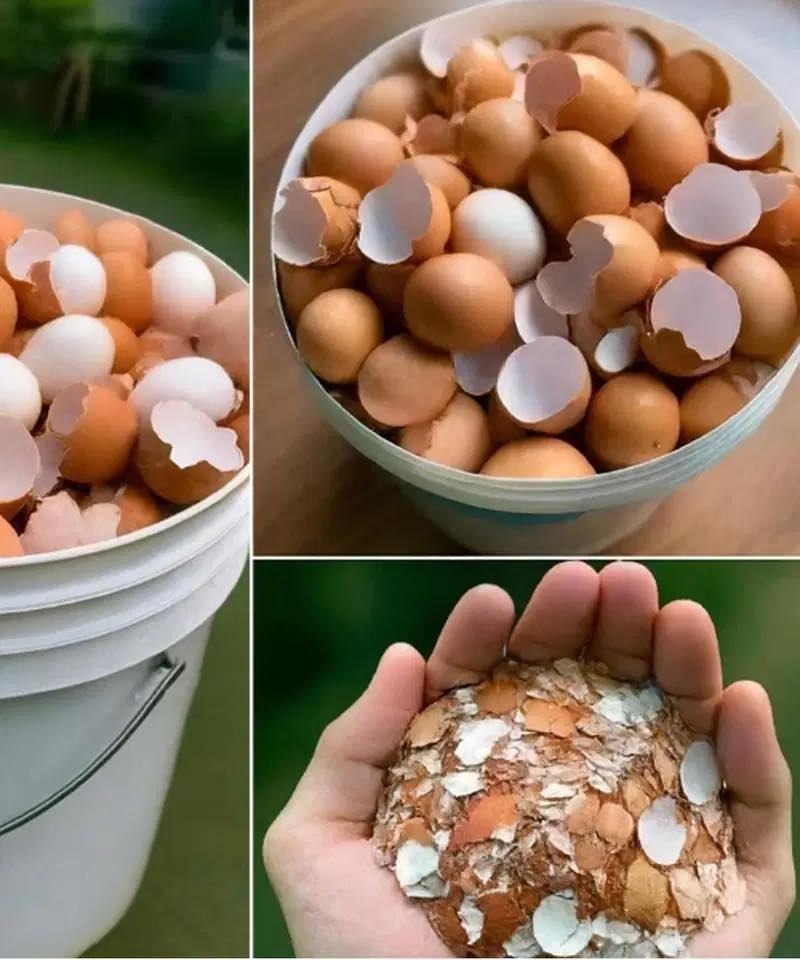
Collect and clean: Rinse empty shells thoroughly.
Boil: Simmer in water for 10 minutes to kill bacteria.
Dry: Spread on a baking sheet and dry in a low oven (200°F) or air-dry overnight.
Grind: Use a coffee grinder, blender, or mortar and pestle to make a very fine powder.
Store: Keep in an airtight container in a cool, dry place.
Dose thoughtfully: About ½ teaspoon (roughly 2.5 grams) provides ~500 mg calcium. Start with less to assess tolerance.
You can stir the powder into smoothies, oatmeal, soups, or baked goods. The texture is usually undetectable in well-mixed foods.
When to Seek Professional Guidance
Please consult a healthcare provider before using eggshells therapeutically if you:
Have been diagnosed with osteoporosis, kidney disease, or heart conditions
Take medications (especially thyroid meds, antibiotics, or blood pressure drugs—calcium can interfere with absorption)
Are pregnant, breastfeeding, or managing a chronic illness
Experience persistent pain, fatigue, or unexplained symptoms
Important: Eggshells are a supplement, not a substitute for medical care. If you have symptoms of disease, see a qualified professional for diagnosis and treatment.
Frequently Asked Questions
Q: Can boiling eggshells make them safer to eat?
A: Yes—boiling helps kill surface bacteria like Salmonella. But it doesn’t remove potential heavy metals or change the fundamental nutrient profile
onlinelibrary.wiley.com
.
Q: Is eggshell calcium better than store-bought supplements?
A: For some people, yes. Eggshell calcium is natural, inexpensive, and may be well-absorbed. But quality-controlled supplements offer precise dosing and added nutrients like vitamin D. Choose based on your needs and preferences
www.healthline.com
.
Q: Can eggshells help with arthritis?
A: The membrane (not the hard shell) has shown promise in clinical trials for reducing joint pain. Standardized eggshell membrane supplements (like NEM®) are studied; homemade shell powder is not equivalent
www.webmd.com
.
Q: What about using eggshells in the garden or for pets?
A: Crushed eggshells can add calcium to soil (though they break down slowly) and may deter soft-bodied pests. For pets, consult your vet before adding eggshells to food—dosage and safety vary by species
www.ruralsprout.com
.
Q: Are there people who should avoid eggshells entirely?
A: Yes. Those with egg allergies, kidney stones, hypercalcemia (high blood calcium), or certain digestive conditions should avoid eggshell consumption unless approved by their doctor
www.healthline.com
.
A Gentle Closing Thought
It’s understandable to seek natural, affordable ways to support health—especially when medical care feels complex or costly. Eggshells do offer a legitimate source of calcium, and traditional wisdom about using food as medicine has real value.
But true wellness comes from balance: honoring both time-honored practices and evidence-based guidance. If a claim sounds too good to be true (“boil this and cure disease!”), pause. Ask: What does the research actually say? Who benefits from this claim? What might I be overlooking?
Your health journey is personal. You deserve information that empowers—not frightens or oversimplifies.
If this article helped clarify the eggshell conversation for you, I’d love to hear your thoughts. Have you tried using eggshells? What questions do you still have? Drop a comment below. And if you know someone navigating health decisions, please share this with them. Sometimes the greatest gift we can offer is a calm, clear voice in a noisy world.
With care and respect,
A friend who believes in informed, compassionate health choices 💙
Disclaimer: This article is for informational purposes only and is not medical advice. Always consult a qualified healthcare professional for personal health concerns, diagnosis, or treatment. Do not disregard professional medical advice or delay seeking care because of something you read here.
ADVERTISEMENT
