
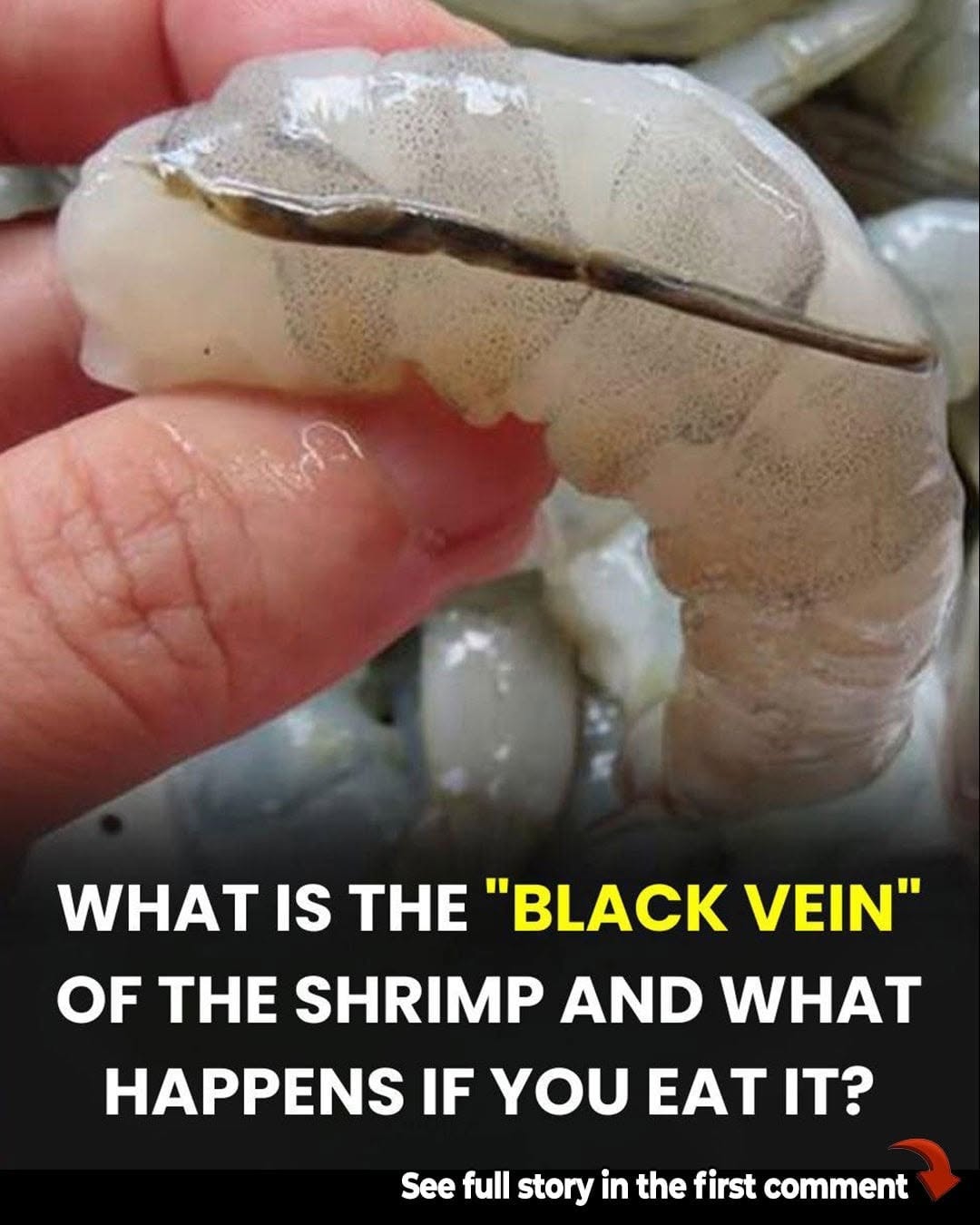
If you’ve ever cooked shrimp, you may have encountered a dark line running along its back, often referred to as the “black vein.” This common feature can be off-putting for many home cooks, leading to questions about its safety and taste. In this article, we’ll explore what this black vein really is, why it’s advisable to remove it, and how to prepare shrimp for a delicious meal. Additionally, we’ll delve into the health benefits of shrimp, making it a seafood you might want to include in your diet.
Understanding the Black Vein in Shrimp
The black vein in shrimp is not a blood vessel, as many people believe. Instead, it is the shrimp’s digestive tract, often referred to as the shrimp vein. This dark line contains waste material and runs along the back of the shrimp, sometimes visible through its translucent shell. While it is not toxic or harmful if consumed, many prefer to remove it due to its potential bitter taste and gritty texture. Knowing this can help you feel more at ease when preparing and enjoying shrimp.
The Importance of Deveining Shrimp
Deveining shrimp involves removing that dark line along the back. Although the shrimp vein is not dangerous, many chefs recommend this practice to enhance the flavor and texture of the shrimp. The digestive tract can harbor sand or grit, which may negatively impact your dish. Additionally, deveining makes the shrimp look cleaner and more appealing, especially in recipes where shrimp is served whole. While it ultimately comes down to personal preference, many agree that taking the time to devein shrimp is worth the effort.
Step-by-Step Guide to Deveining Shrimp
Deveining shrimp is a straightforward process. Start by rinsing the shrimp under cold water to clean the surface. Next, use a small paring knife or a shrimp deveiner tool to make a shallow cut along the back. The vein will be easily visible. Gently lift it out with the tip of the knife or your fingers. Some veins may come out in one long piece, while others might break apart. Rinse the shrimp again to eliminate any remaining grit. With a bit of practice, deveining can take less than a minute per shrimp, resulting in a fresher and tastier dish.
Should You Always Remove the Shrimp Vein?
Not everyone chooses to remove the shrimp vein. For smaller shrimp, the veins can be so tiny that they are often left intact. Additionally, farmed shrimp tend to be cleaner due to controlled diets and environments. Wild-caught shrimp, however, may contain more debris in the vein. If you’re preparing a heavily spiced dish, the vein’s taste may be masked. Ultimately, it’s a matter of personal preference. If you’re cooking for guests or aiming for a cleaner presentation, deveining is advisable. Otherwise, it is safe to eat, though many find it less enjoyable.
Tips for Buying Fresh Shrimp
When purchasing shrimp, freshness is key to ensuring optimal taste and texture. Look for shrimp with firm flesh and a mild sea smell, avoiding any that emit a fishy or ammonia-like odor. If the shrimp still has the shell, it should be shiny and moist. For peeled shrimp, the flesh should appear translucent and springy. Consider whether you prefer wild-caught or farm-raised shrimp, as each has its own pros and cons regarding taste and sustainability. Fresh shrimp often come with the vein intact, so be prepared to clean them if you wish to devein.
The Convenience of Frozen Shrimp
Frozen shrimp is a convenient option and is widely available. Most frozen shrimp are either pre-cooked or frozen raw with the vein still inside. When thawing frozen shrimp, do so gradually in the refrigerator or under cold running water to maintain safety. Avoid thawing at room temperature. Some brands offer deveined frozen shrimp, which can save you time, though they may come at a higher price. Properly handled and cooked, frozen shrimp can be just as good as fresh.
Cooking Methods for Shrimp
Shrimp cooks quickly, typically in just a few minutes. You can boil, grill, sauté, or bake shrimp depending on your recipe. Boiling is ideal for shrimp cocktails or salads, requiring just two to three minutes in boiling water until they turn pink and curl. Grilling adds a smoky flavor, but be cautious to avoid overcooking. Sautéing shrimp with garlic and butter creates a quick and delicious dish, while baking is easy, especially for larger shrimp with herbs and lemon. Regardless of the cooking method, remember to devein the shrimp for the best flavor and texture.
NEXT PAGE
ADVERTISEMENT
