
Common Mistakes to Avoid When Preparing Shrimp
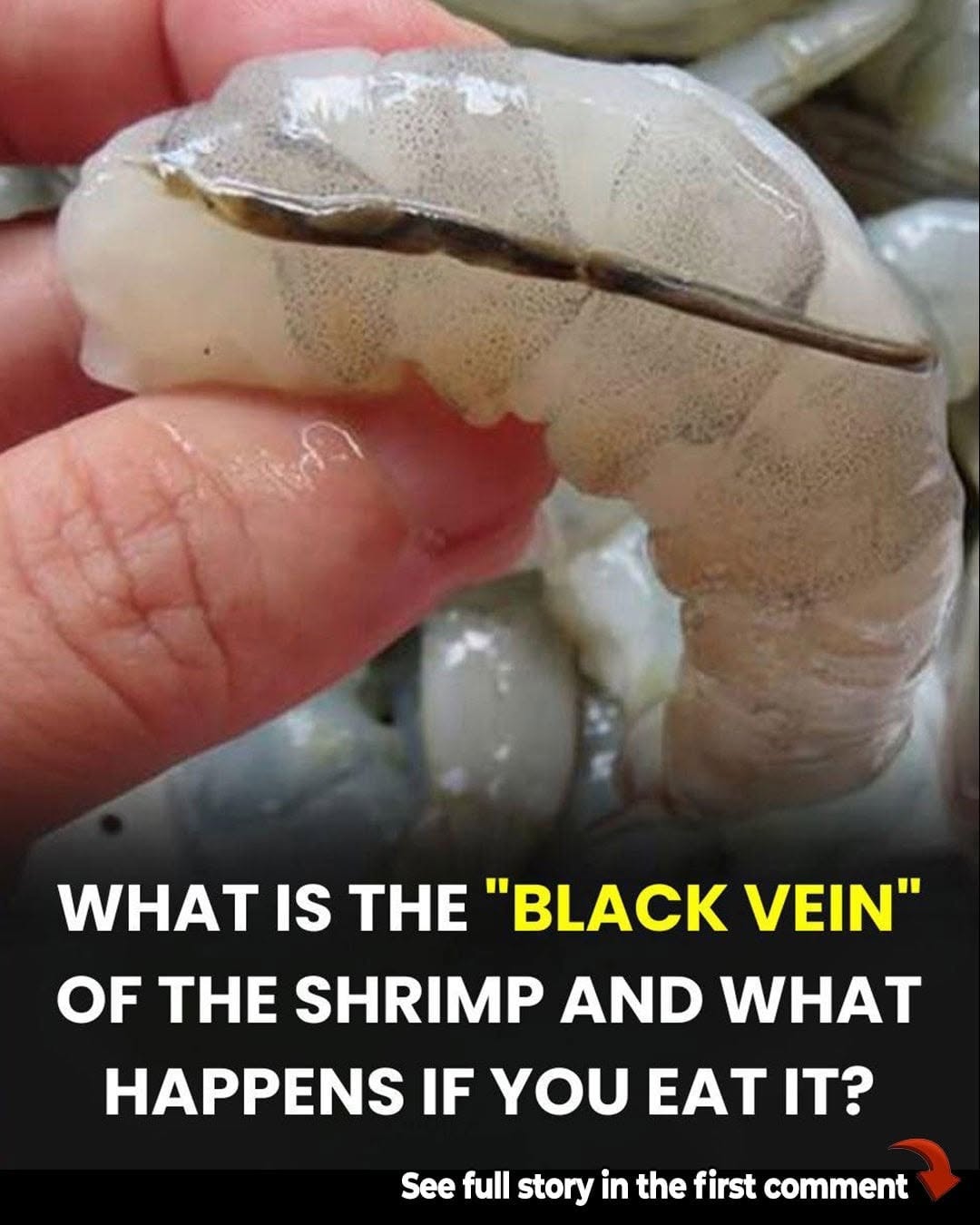
One of the most common mistakes is overcooking shrimp, which can result in a rubbery texture. Shrimp only needs a few minutes of heat to be fully cooked. Another error is not cleaning the shrimp properly; leaving the vein in can affect both flavor and presentation. Using excessive salt or spices can overpower the delicate taste of shrimp. Additionally, thawing frozen shrimp incorrectly, such as using warm water or leaving them out for too long, can compromise safety. Finally, don’t forget to dry the shrimp before cooking, as wet shrimp won’t sear well. Avoiding these pitfalls will help you enjoy shrimp at its best.
The Health Benefits of Eating Shrimp
Shrimp is not only delicious but also packed with nutrients. It is low in calories yet high in protein, making it an excellent choice for muscle building or weight management. Shrimp also contains essential vitamins like B12 and minerals such as selenium, which support immune function. Additionally, it is rich in antioxidants that help reduce inflammation. Despite being seafood, shrimp is low in fat, primarily consisting of healthy unsaturated fats. Regularly incorporating shrimp into your diet can contribute to overall health.
Shrimp and Heart Health
One of the surprising benefits of shrimp is its positive effect on heart health. Shrimp contains omega-3 fatty acids, known for lowering bad cholesterol and raising good cholesterol levels, thus reducing the risk of heart disease. The selenium present in shrimp acts as an antioxidant, protecting heart cells from damage. Studies have shown that moderate shrimp consumption is associated with improved cholesterol profiles. Therefore, including shrimp in your meals a couple of times a week may help maintain a strong and healthy heart.
Nutritional Value of Shrimp
Beyond protein and omega-3s, shrimp is rich in other essential nutrients. It provides a significant amount of iodine, which supports thyroid function and brain health. Many people do not consume enough iodine, making shrimp a tasty way to address this gap. It also contains vitamin D, zinc, and copper, all crucial for immune defense and metabolism. Naturally low in carbohydrates, shrimp is ideal for various diet plans, offering a nutrient boost without excessive calories.
Conclusion: Enjoy Shrimp Safely and Deliciously
Preparing shrimp can be a simple and rewarding experience once you understand how to handle the black vein properly. Removing the vein enhances flavor, texture, and presentation, though it is safe to consume if left in. By selecting fresh or high-quality frozen shrimp and avoiding common cooking mistakes, you can maximize your enjoyment of this seafood. With numerous health benefits, from supporting heart health to providing vital nutrients, shrimp is an excellent addition to your diet. So the next time you cook shrimp, take a moment to clean it well and savor a delicious, nutritious meal.
«« back
ADVERTISEMENT
