
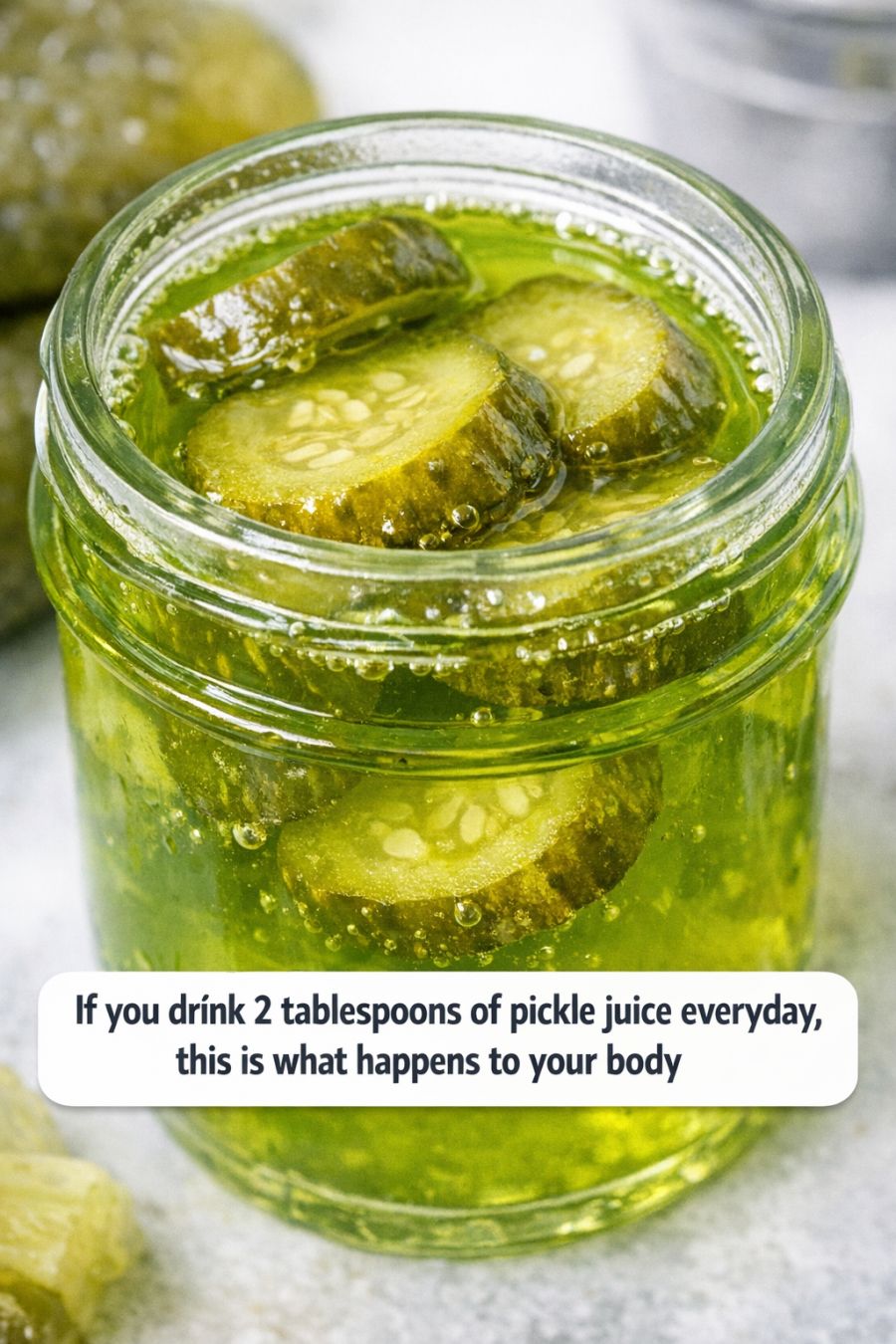
For those without such conditions, moderate consumption can be part of a balanced diet, but it should be counterbalanced with potassium-rich foods and adequate hydration to mitigate the potential negative effects of sodium. Monitoring overall sodium intake from all dietary sources is crucial to maintaining heart health.
7. The Role of Vinegar in Weight Management and Metabolism
Vinegar has been associated with weight management benefits, primarily due to its potential to enhance satiety and reduce appetite. Acetic acid, found in vinegar, may also boost metabolism by increasing the body’s ability to burn fat. Some studies suggest that vinegar consumption can lead to modest weight loss when combined with a calorie-controlled diet and regular exercise.
While the evidence is not definitive, incorporating small amounts of pickle juice into a balanced diet may support weight management efforts. However, it’s important to avoid viewing it as a miracle solution and instead focus on overall dietary patterns and lifestyle changes for sustainable results.
8. Potential Benefits for Inflammation and Antioxidant Support
The vinegar in pickle juice contains polyphenols, which are compounds with antioxidant properties. Antioxidants help neutralize free radicals in the body, potentially reducing oxidative stress and inflammation. This can be beneficial for overall health, as chronic inflammation is linked to various diseases, including heart disease and cancer.
While pickle juice itself may not provide a large concentration of polyphenols compared to other sources like fruits and vegetables, it can contribute to an antioxidant-rich diet. Including a variety of foods with antioxidant properties is key to maximizing their health benefits and supporting overall well-being.
9. Side Effects: Acid Reflux, Bloating, and Sodium Overload Risks
While pickle juice offers several potential benefits, it also has side effects that need consideration. The high sodium content can lead to bloating and water retention, particularly in individuals who are sensitive to salt. Excessive sodium intake can also increase the risk of developing high blood pressure, which is a concern for those with cardiovascular issues.
Moreover, the acidity of pickle juice can exacerbate acid reflux or heartburn in some individuals, especially those with existing gastrointestinal conditions. It’s important to consume pickle juice in moderation and be mindful of how your body reacts to it, adjusting your intake accordingly.
10. Who Should Avoid Daily Pickle Juice (And Who Might Benefit Most)
Individuals with high blood pressure, kidney disease, or those on sodium-restricted diets should avoid consuming pickle juice daily due to its high sodium content. Additionally, those with acid reflux, GERD, or other gastrointestinal issues may find the acidity of pickle juice aggravates their symptoms.
On the other hand, athletes, especially those engaging in endurance sports, may benefit from the electrolyte replenishment that pickle juice provides. Those looking to manage blood sugar levels or improve digestion might also find moderate pickle juice consumption beneficial, provided they monitor their overall sodium intake and balance it with other dietary considerations.
11. How to Safely Add Two Tablespoons of Pickle Juice to Your Routine
If you’re considering adding pickle juice to your daily routine, start with a small amount, such as one tablespoon, and monitor how your body responds. Gradually increase to two tablespoons if you tolerate it well. Ensure you’re balancing your overall sodium intake by consuming potassium-rich foods like bananas, spinach, and sweet potatoes.
Incorporate pickle juice as part of a balanced diet, focusing on whole, nutrient-dense foods to support overall health. Staying hydrated with water and monitoring any changes in your health will help you safely enjoy the potential benefits of pickle juice without overloading on sodium or exacerbating any existing health conditions.
ADVERTISEMENT
