
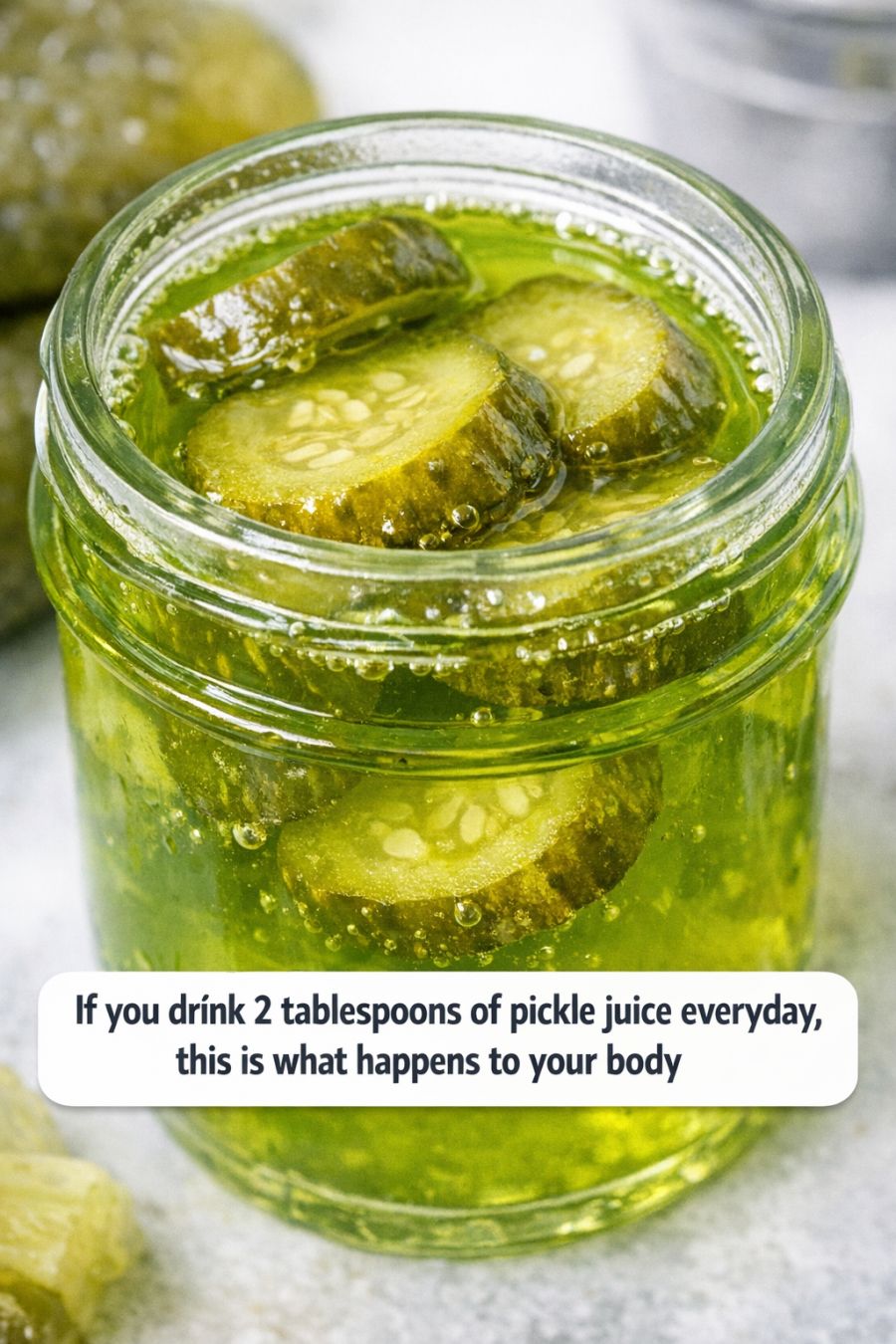
Pickle juice, the tangy liquid that pickles rest in, has been gaining attention not just as a culinary leftover, but as a health elixir with potential benefits for those who consume it. While it might sound odd to some, drinking pickle juice has become a trend among athletes, health enthusiasts, and those looking for natural remedies for various ailments. This briny beverage is packed with more than just flavor; it contains a unique blend of ingredients that can influence your body in several ways.
Whether you’ve considered drinking pickle juice for its purported health benefits or you’re just curious about what happens when you consume two tablespoons daily, it’s important to understand what you’re putting into your body. In this article, we’ll explore the components of pickle juice, its effects on hydration, muscle recovery, digestion, and more. We’ll also discuss who might benefit the most from this practice and who should approach it with caution.
1. What’s Really in Pickle Juice When You Drink It Straight
Pickle juice is essentially a brine solution composed of water, vinegar, salt, and various spices, which may include dill, garlic, and mustard seeds. The primary ingredient, vinegar, is an acetic acid solution that gives pickle juice its characteristic tangy flavor. A two-tablespoon serving of pickle juice typically contains about 0-5 calories, making it a low-calorie option for those mindful of their intake. However, it can also contain around 500-1000 mg of sodium, depending on the brand and preparation method, which is something to be mindful of, especially for those on sodium-restricted diets.
Beyond vinegar and salt, pickle juice may also offer trace amounts of electrolytes like potassium and magnesium, depending on the type of pickles and the brining process. These electrolytes play a crucial role in maintaining fluid balance and muscle function, which we’ll delve into further in the next sections.
2. How Two Tablespoons a Day Affect Your Hydration and Electrolytes
Electrolytes are essential minerals that help maintain fluid balance, transmit nerve signals, and support muscle contractions. Pickle juice, with its high sodium content, can help replenish sodium levels lost through sweat, making it particularly useful for athletes or those engaging in strenuous physical activity. While two tablespoons may not provide a full electrolyte replacement, they can contribute to overall hydration when combined with adequate water intake.
However, it’s important to note that the sodium content in pickle juice is high, and excessive sodium intake can lead to dehydration, especially if not balanced with water. Therefore, while pickle juice can aid in hydration, it should be consumed in moderation, and individuals should ensure they maintain a balanced intake of electrolytes from various sources.
3. The Impact on Muscle Cramps, Performance, and Post-Workout Recovery
Athletes and fitness enthusiasts have long touted pickle juice as a remedy for muscle cramps. The high sodium content helps replenish electrolytes lost during intense exercise, which can help reduce the occurrence of cramps. Some studies suggest that pickle juice can alleviate cramps faster than other solutions, possibly due to a reflex triggered by the acetic acid in vinegar, which may affect nerve function.
In terms of performance, while pickle juice may not directly enhance athletic performance, it can aid in recovery by helping to restore electrolyte balance and reduce cramping. This can indirectly improve performance by allowing athletes to train more effectively. For post-workout recovery, the vinegar’s acetic acid content may help reduce inflammation and aid in muscle repair.
4. What Happens to Your Blood Sugar and Carb Cravings
Vinegar, a key component of pickle juice, has been studied for its potential effects on blood sugar levels. Consuming vinegar may improve insulin sensitivity and lower blood sugar spikes after meals, which can be beneficial for individuals with insulin resistance or type 2 diabetes. By potentially stabilizing blood sugar levels, vinegar consumption might also help reduce carb cravings, as fluctuations in blood sugar can often trigger cravings for sugary or starchy foods.
However, while the effects of vinegar on blood sugar are promising, it’s important to note that consuming pickle juice in moderation is key, as excessive intake, particularly of sodium, can have other health implications. For those looking to manage blood sugar levels, incorporating a balanced diet and regular exercise is equally important.
5. The Surprising Effects on Digestion and Gut Health
The vinegar in pickle juice is a form of acetic acid, which can promote the growth of beneficial gut bacteria. This can potentially improve digestion and support gut health by maintaining a healthy balance of microbiota. Additionally, the acidity of vinegar can aid in breaking down food more efficiently, which may enhance nutrient absorption and alleviate digestive issues such as bloating.
Pickle juice may also help those with low stomach acid levels, as the acidity can mimic the effects of hydrochloric acid, aiding in the digestion of proteins and other nutrients. However, individuals with certain digestive conditions, such as acid reflux or GERD, should be cautious, as the acidity might exacerbate symptoms.
6. How Daily Pickle Juice Can Influence Your Heart and Blood Pressure
While pickle juice offers some health benefits, its high sodium content is a double-edged sword. Sodium is essential for maintaining fluid balance and nerve function, but excessive sodium intake is linked to high blood pressure, which is a risk factor for cardiovascular disease. Therefore, consuming pickle juice daily should be done with caution, especially for individuals with hypertension or those prone to high blood pressure.
NEXT PAGE
ADVERTISEMENT
