
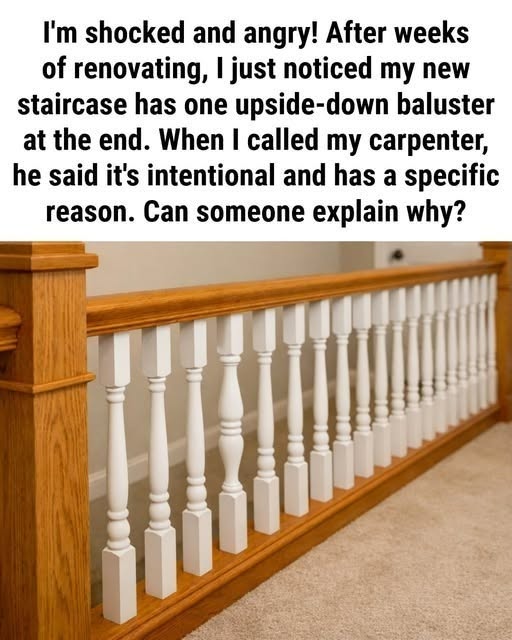
Why the Myth Endures
The story of the “intentional flaw” resonates because it gives us something we crave: meaning. We want old homes to have secrets. We want our imperfections to be beautiful. We want to believe that the people who came before us were wiser, more thoughtful, more connected to something larger.
And in a way, they were. But their wisdom wasn’t in hiding mistakes—it was in making things so well that a minor flaw didn’t matter.
What the Real Tradition Teaches Us
Even if the upside-down baluster isn’t historically intentional, the spirit of the story holds value. Across cultures and centuries, craftspeople did embrace humility, imperfection, and the idea that their work was part of something larger.
The real tradition isn’t about hiding a flaw. It’s about:
Making things well – Good craftsmanship stands on its own.
Accepting imperfection – Materials have natural variations; hands aren’t machines.
Finding beauty in the handmade – A slight unevenness is a mark of humanity, not failure.
Honoring the craft – The work itself is the legacy.
What to Make of the Upside-Down Baluster
If you find one in your home, you have two choices:
The romantic view: See it as a quiet nod to centuries of craftsman tradition—a reminder that imperfection is part of being human.
The practical view: Recognize that someone, somewhere, made a small mistake that went unnoticed. And that’s okay too.
Neither view diminishes the beauty of the work. The staircase is still beautiful. The craftsmanship still matters. The house still holds stories.
The Bottom Line
The upside-down baluster is probably not an ancient symbol of humility. It’s likely just a mistake—or a practical solution that a tired carpenter didn’t think twice about.
But the story it’s inspired? That is meaningful. It reminds us to look closely, to wonder, to ask questions. It connects us to the idea that our imperfections—like the ones in the homes we love—might be part of the beauty, not a detraction from it.
Sometimes the stories we tell are more important than the facts behind them. And the story of the intentional flaw—even if it’s not historically true—has made us appreciate craftsmanship, humility, and the quiet dignity of handmade things.
And maybe that’s enough.
ADVERTISEMENT
